




Owner guide · Elgin CDJR
10 Maintenance Things Every Driver Should Know How to Do
None of these need tools beyond a tire gauge and a flashlight, and together they catch most of the problems that turn into tow trucks. Ten checks, how often to do them, and what to do when one fails.
Quick answer
Every driver should be able to: 1) check the engine oil level and color on the dipstick or the cluster; 2) check coolant level in the reservoir, cold; 3) check tire pressure monthly against the door-jamb label, including the spare; 4) check tread depth with a quarter; 5) test lights and turn signals; 6) check and replace wiper blades and top up washer fluid; 7) inspect the engine air filter and cabin air filter; 8) look at the battery terminals for corrosion and know the battery's age; 9) notice brake noise, pedal feel and pull; and 10) know what the warning lights mean and where the maintenance schedule is in the owner's manual. Once a month for most, before any road trip for all of them.
The ten checks
| # | Check | How often | What a problem looks like |
|---|---|---|---|
| 1 | Engine oil level and color | Monthly; before trips | Below the low mark, or black and gritty; a Hurricane or HEMI engine with a leak leaves spots on the driveway |
| 2 | Coolant level | Monthly, engine cold | Below the MIN line on the reservoir; sweet smell; temperature gauge climbing |
| 3 | Tire pressure | Monthly, tires cold | Any tire more than 3 psi off the door-jamb figure; TPMS light on |
| 4 | Tread depth | Monthly | Quarter test: tread does not reach Washington's head (4/32 in); uneven wear across the tire |
| 5 | Lights and signals | Monthly | A dead bulb, a fast-blinking turn signal, dim headlights |
| 6 | Wipers and washer fluid | Monthly; before winter | Streaks, chatter, a torn edge; washer fluid that freezes |
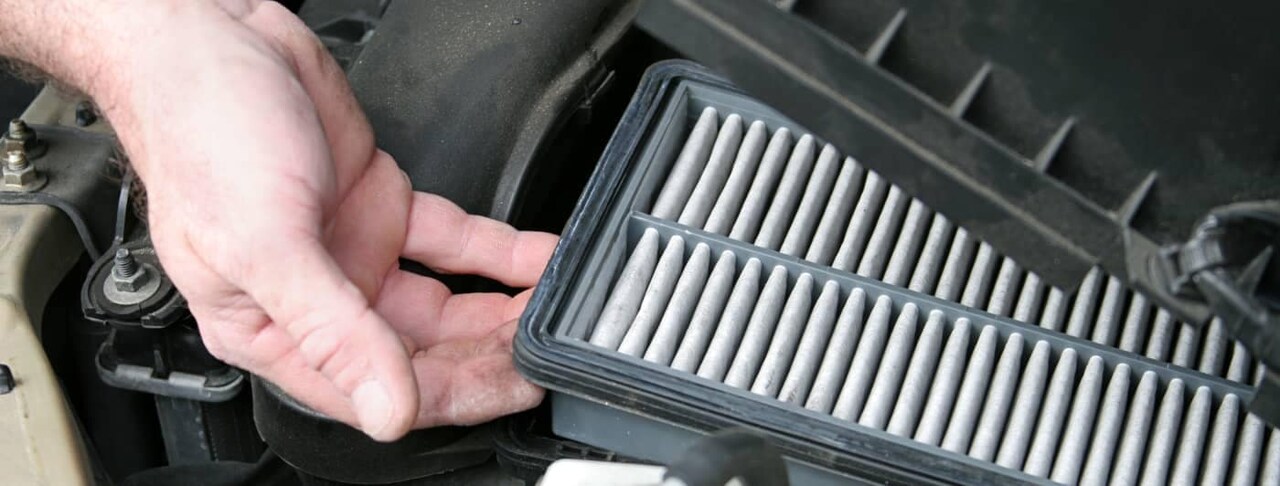
| 7 | Engine and cabin air filters | Every oil change | Engine filter dark and packed; cabin filter grey with leaves; musty smell from the vents |
| 8 | Battery | Every oil change; before winter | White or green crust on the terminals; slow cranking; a battery more than four years old |
| 9 | Brakes | Every drive | Squeal, grinding, a soft or pulsing pedal, a pull to one side, a brake warning light |
| 10 | Warning lights and the manual | Know them now | A red light means stop soon; amber means service soon; the manual has the schedule and the fluid specs |
How to do each one
- Oil: park level, engine off five minutes, pull the dipstick, wipe, re-insert, read. Many Jeeps, Rams and Dodges show oil life and level in the cluster. Top up with the grade on the oil cap.
- Coolant: with the engine cold, check the reservoir is between MIN and MAX. Never open a hot radiator cap. Use the OAT coolant the manual specifies.
- Tire pressure: use a gauge, cold, against the label in the driver's door jamb, not the number on the tire. Do not forget the spare.
- Tread: put a quarter in the groove head-down; if you see the top of the head, the tire is at 4/32 inch and due. Check inside, middle and outside edges.
- Lights: have someone stand outside while you cycle headlights, high beams, brake lights, reverse and both turn signals.
- Wipers: lift the blade, run a finger along the edge; replace at the first streak. Fill the washer reservoir with winter-rated fluid from November to March.
- Filters: the engine air filter sits in a box on top of the engine with clips; the cabin filter is behind the glove box on most CDJR models. Hold each up to the light.
- Battery: look for corrosion at the terminals, check the hold-down is tight, and note the date code. Have it load-tested at the first slow start.
- Brakes: listen with the radio off; feel for pulsing, softness or a pull. See our guide to squeaky brakes.
- Manual: find the maintenance plan and warning-light pages and keep the manual in the glove box or the Mopar app.
What we check at every visit
At every oil change our technicians do a multi-point inspection that covers all ten items, measure the tires and brakes, and give you a written report with photos. Schedule service or use the Express Lane for oil changes without an appointment.
Frequently asked questions
How often should I check my car's oil?
Once a month and before any long trip. Engines that burn or leak oil need checking more often; a low oil pressure light means stop the engine now.
What tire pressure should I use?
The figure on the label in the driver's door jamb, measured with the tires cold. The number on the tire sidewall is a maximum, not a recommendation.
How do I know when my tires need replacing?
At 4/32 inch of tread, which is when a quarter inserted head-down shows the top of Washington's head. The legal minimum is 2/32, but wet grip is poor well before that.
How long does a car battery last?
Three to five years in the Chicago area. Have it tested each fall after year three; a slow crank on a cold morning is the first warning.
What does the amber check engine light mean?
A stored fault code that needs reading. If it is flashing, the engine is misfiring and you should stop driving to avoid damaging the catalytic converter.
Let us do the checking
Every service visit in Streamwood includes a multi-point inspection with a written report. Book online or use the Express Lane.
Sources
General maintenance guidance checked against Mopar owner's manuals on October 19, 2026. Your manual gives the fluid specifications and schedule for your model.
- Mopar owner's manuals (Chrysler, Dodge, Jeep, Ram), FCA US LLC / Stellantis
- Brakes: vehicle safety information, National Highway Traffic Safety Administration